Story Of Change
Rajmati of Medra is writing a new chapter in the direction of women empowerment.
👤 GSS
📅 August 27, 2025
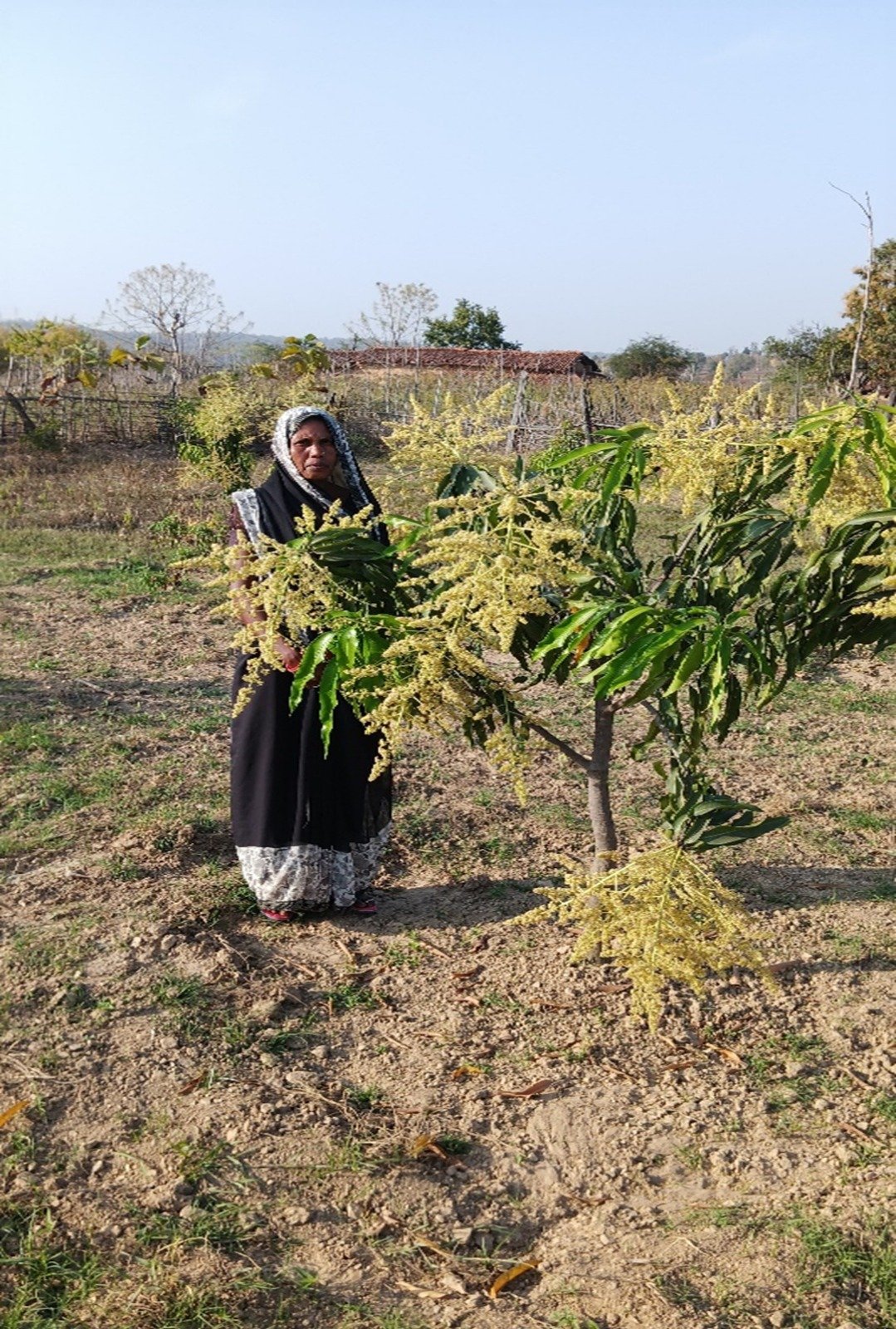
Rajmati Singh, wife of Mahipal Singh, aged 40, is a simple and humble tribal woman from Medra village in Kusmi block. However, her multidimensional efforts are transforming her simple life into one marked by a remarkable and inspiring personality. Her work has now moved beyond the traditional boundaries of household chores and is creating a distinct identity around the core ideas of nature, environment, participation, pollution control, and public domain.
Let us now explore how this humble tribal woman is indirectly contributing to shaping these powerful ideas into reality.
After the COVID-19 pandemic, it became evident how crucial ecological balance is for human life. Following this realization, in 2021, through the efforts of Gram Sudhar Samiti and with the support of NABARD under the Wadi Development Project, Rajmati decided to develop a kitchen garden (wadi) on her barren land as a wadi farmer.
She planted:
30 mango trees
20 amla trees
20 drumstick (moringa) trees
20 karonda plants
20 teak trees
Due to the rocky and infertile nature of the land, the growth of plants was initially very slow. Concerned about this, she shared her problem with Prakash Dubey, a field associate from the organization. He guided her on preparing organic fertilizers and pesticides and also provided her with an informational pamphlet.
Following this guidance, Rajmati began preparing organic products such as Ghan Jeevamrit, Jeevamrit, and crop tonics using locally available household resources like cow dung, cow urine, jaggery, gram flour, wood ash, mahua cake, goat manure, neem leaves, and buttermilk.
The results amazed her. She could hardly believe that such simple and natural methods could yield such powerful outcomes. Her barren land began to flourish, turning the saying “barren land turning into gold” into reality. Within three years, her mango trees started flowering and bearing fruits.
She also started cultivating crops like urad and moong in the spaces between the trees. Farmers from nearby villages began visiting her farm to observe her practices.
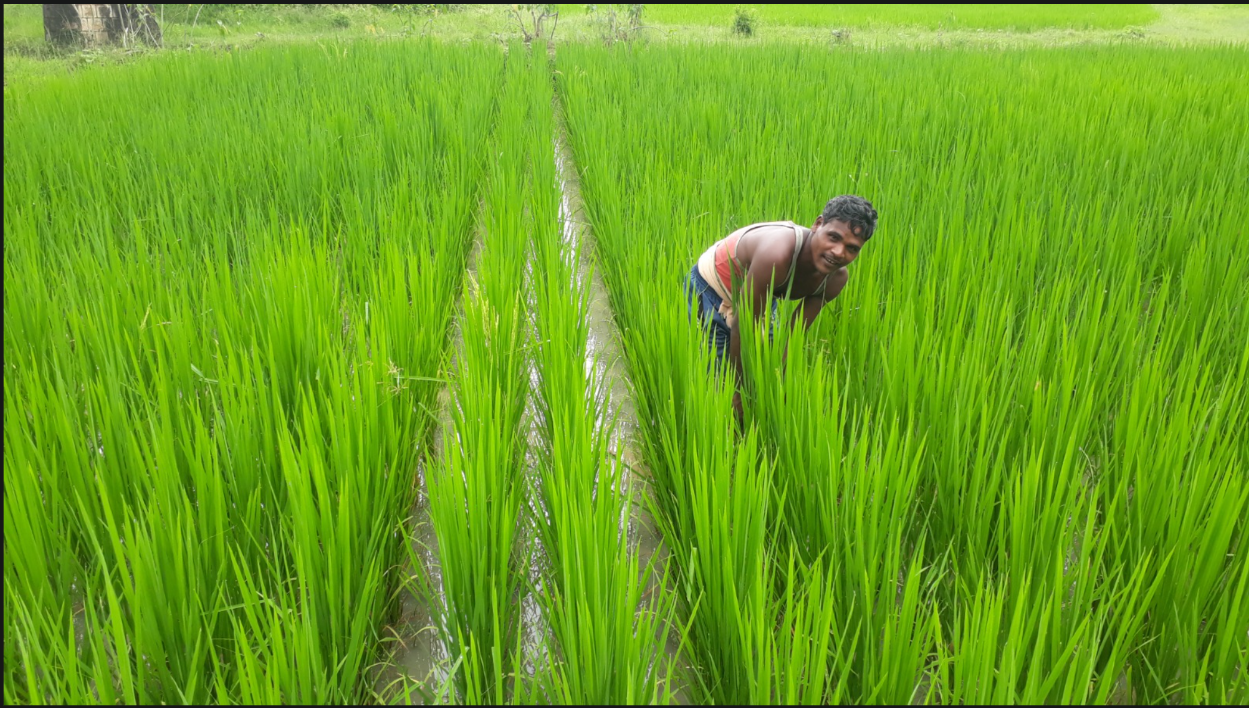
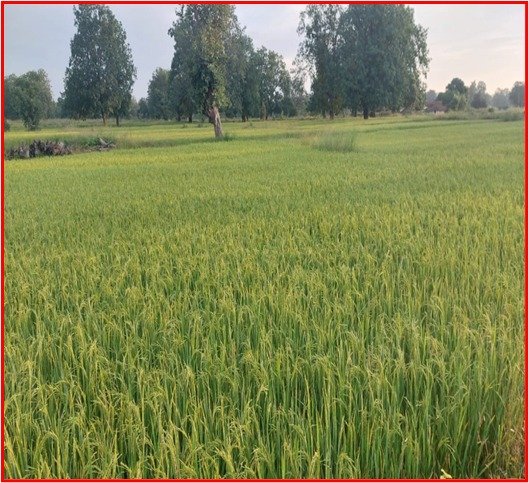
Rajmati did not limit this experiment to her wadi alone. She extended organic practices to her farming and horticulture activities, including crops like paddy, wheat, peas, and pulses. These methods consistently produced excellent results.
Through her dedicated efforts, she not only improved her own livelihood but also inspired around 300 women from nearby villages and communities to adopt organic farming practices, thereby contributing to environmental sustainability.
Financially, her efforts have also been rewarding:
Saves around ₹5,000 annually on fertilizers
Earns approximately ₹10,000 per year by selling organic manure
Earns about ₹5,000 from vegetable sales
Earns around ₹20,000 from poultry and goat rearing
Earns approximately ₹30,000 from small business activities
Additionally, she motivates others in her village to adopt organic farming, helping them reduce costs and improve sustainability.
Although Rajmati may not fully realize it, her efforts are significantly contributing to participatory development, pollution-free practices, and building a sustainable public domain. The organization has recognized her talent and dedication, appreciating her efforts wholeheartedly and working towards providing her with a platform and wider recognition.
If you want, I can also:
Make it s