
These interventions have led to increased incomes, enhanced product value, and reduced dependency on middlemen, ultimately contributing to more sustainable and self-reliant rural economies. By integrating enterprise development with community institutions, GSS continues to create scalable models for inclusive rural growth and market-driven livelihoods.
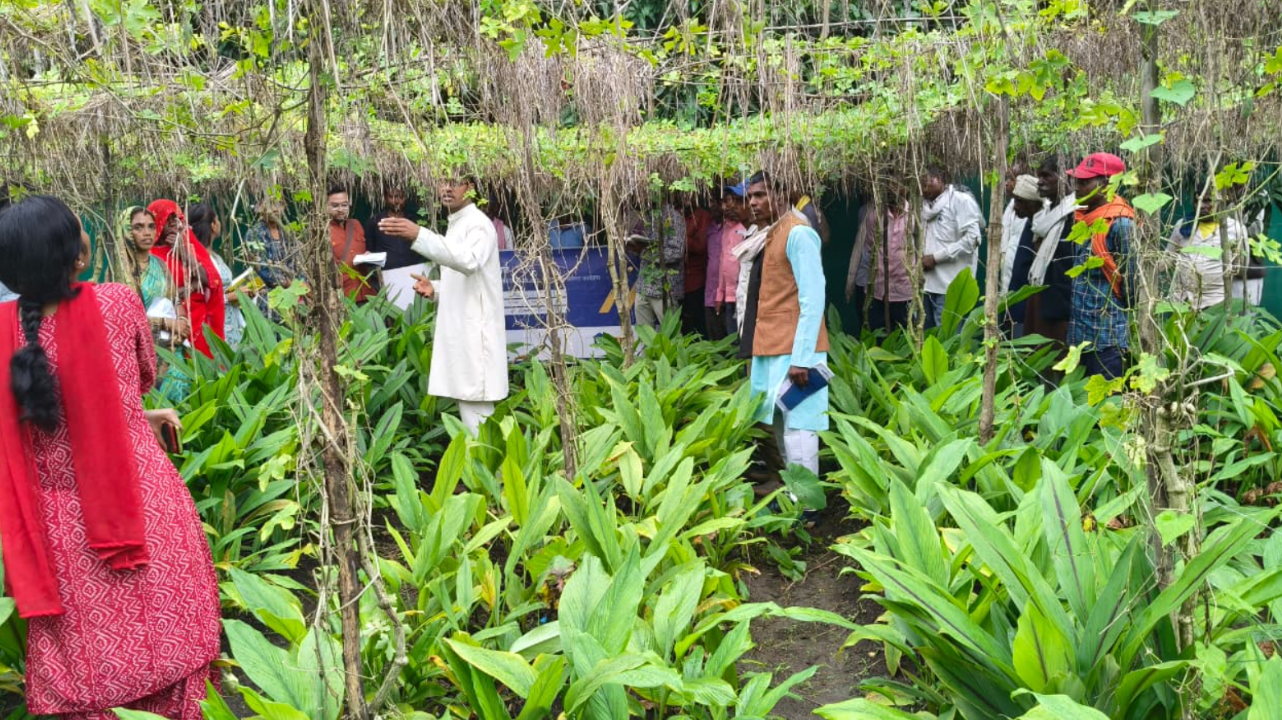
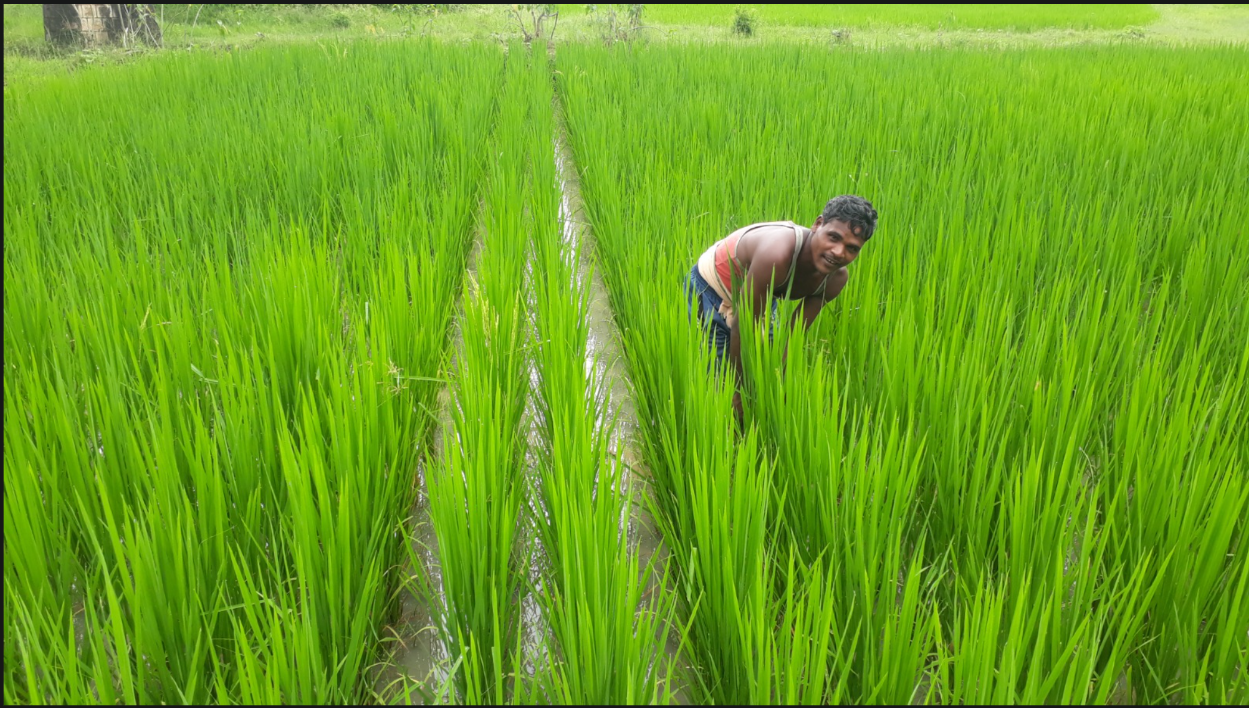
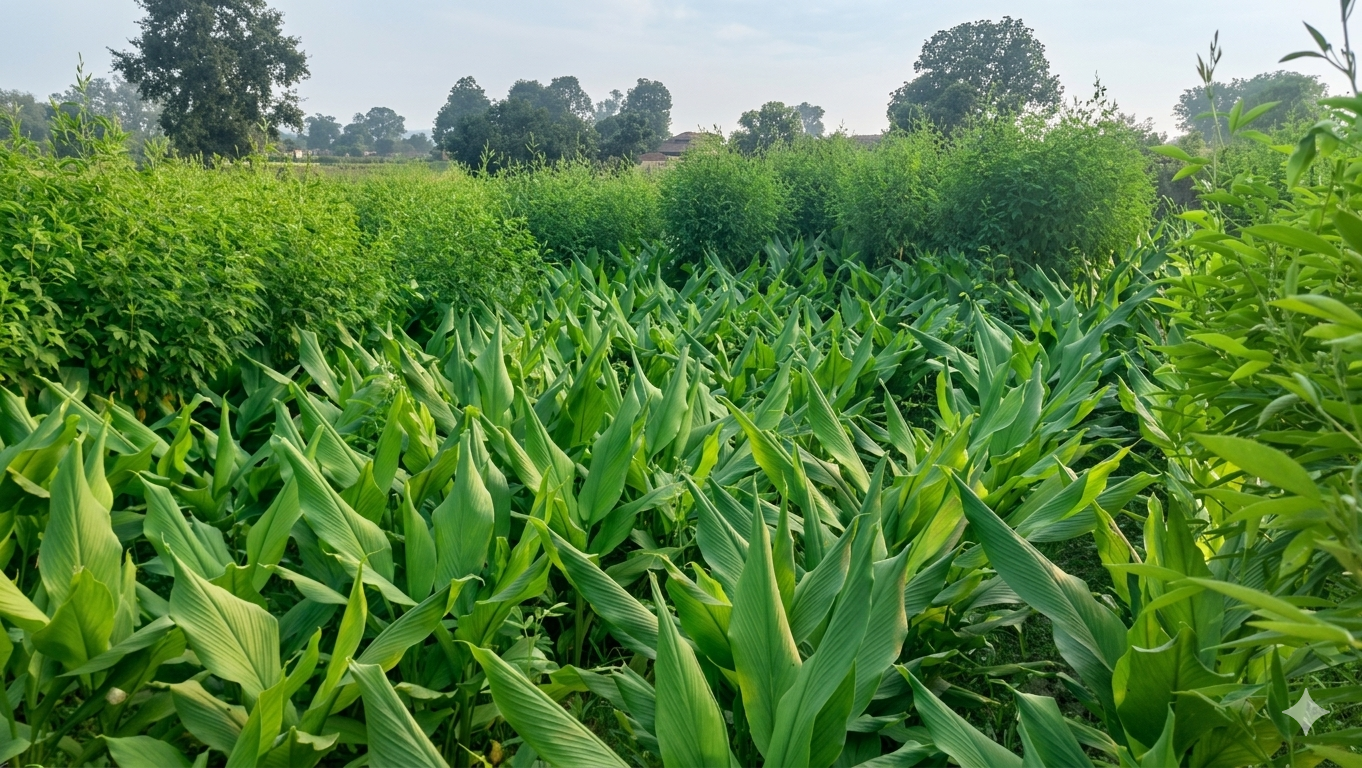
Over 10,000 farmers have adopted natural farming practices across more than 10,000 acres of land, embracing techniques such as: Use of indigenous seeds Preparation of jeevamrit and organic manure Crop diversification Promotion of millet-based farming systems (kodo, kutki, ragi) These interventions not only reduce input costs but also strengthen farmers’ resilience against climate variability.
As a result, farmers have experienced: Reduced dependency on chemical inputs Improved soil fertility and ecosystem health Enhanced farm productivity and resilience Strengthened local food and nutrition systems By integrating traditional practices with modern sustainability principles, GSS is contributing to a transition towards regenerative agriculture—ensuring both income security for farmers and nutritional well-being for rural communities.